

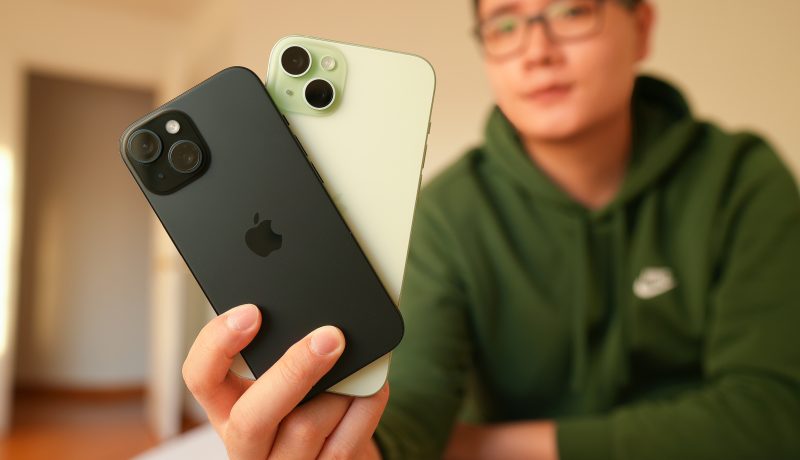

An iPhone is not priced like a phone; it’s priced like an entry pass to high society, where hardware buys recognition without introduction. Apple does not value its iPhones in megapixels or gigahertz, but high enough to be.
Table Of Content
You don’t just buy an iPhone, you buy a standard. No one walks into an iPhone store in Vadodara to buy a phone built for peace of mind: they go in to buy privilege. At a glance, every iPhone tells half the story behind its hefty price tag. Everything underneath the surface, behind the curves, metal, and glass, tells the rest.
Designed And Built Under One Roof
Most smartphones source components from suppliers worldwide. For example, modems from Qualcomm, display panels from Samsung/LG/BOE, and camera sensors from Sony. Apple, however, builds and designs in-house, controlling quality end-to-end.
What this means for the price of an iPhone is:
- Hardware: Designing and building hardware in-house shifts research and development costs from the supplier to the end consumer.
- Software: Apple’s vertical integration of iOS and app development concentrates investment on developing top-tier systems that will eventually bear its brand name.
The supplier’s margin is replaced by Apple’s investment in research and development. While it’s expensive, it’s a key reason no other smartphone at the mobile store in Vadodara can match the iPhone’s performance.
Premium Build Quality
There’s no room for plastic thinking in Apple’s design world. An iPhone is premium by design. A significant portion of the iPhone’s price tag comes from Apple’s manufacturing discipline, which has anchored premium build quality across its product lineups.
Apple’s design philosophy for the iPhone involves:
- Luxury-grade build: High-grade aluminum, stainless steel, or titanium frame and finishing.
- Reinforced build: Strong glass and structural design for better internal bracing and water resistance.
- Endurance-engineered build: High-quality Taptic Engine and haptics for excellent responsive aging.
Even when other flagships match the build quality of an iPhone on paper, they can’t match the scale and consistency. The more complex the finishing and the greater the tuning and integration requirements, the more expensive the iPhone.
The Display And Camera Stack Have A Price
Most walk-in customers at the iPhone store in Vadodara compare iPhone models by specs, which are often the same across the lineup. You’d expect the price to remain the same, but that is not the case.
The reason is what it takes to make every iPhone perform predictably:
- Display costs: High-quality OLED panels offer the highest brightness, color calibration, uniformity, and low defects, but are expensive, take time to manufacture, and need highly specialized equipment.
- Camera costs: Lenses, coatings, periscope structures, OIS systems, assembly alignment, and computational photography research and development lean hard on the cost to manufacture an iPhone.
Other brands can source display panels and camera sensors, but Apple’s consistent imaging performance results from tight controls over the design and build process. These quality targets give the iPhone a costly advantage.
Longevity Costs Extra
Apple’s chips, security hardware, and long-term support are expensive by design. An iPhone is built like a long-term supported computing device, not a disposable gadget. This price-to-life ratio means the more you spend today, the less you spend tomorrow.
The buying price covers:
- Security: Apple installs dedicated hardware and software for encryption, biometric security, and secure key storage.
- Software updates: Every OS update and security patch is tested across all iPhone models and applications.
- Compatibility: Apple continuously invests in keeping older models usable and at peak performance with every update.
Most Androids can’t match the secure enclave and long-term value of an iPhone. The most expensive iPhone purchased at the mobile store in Vadodara can be cheaper over five years than one replaced twice in the same period.
The Real Answer
An iPhone is built to stay with you. It’s the most expensive handheld device because Apple has engineered it for premium value and protects that value with a premium service layer, including long-term software support, ecosystem benefits, and retail presence.
The iPhone store in Vadodara is home to Apple’s precision-engineered phones that refuse to rush time. If you compare the cost of owning a phone, nothing comes close to delivering the same value as an iPhone.
Conclusion
iPhones are priced higher not simply because of brand positioning, but because of the ecosystem, engineering discipline, and long-term value they deliver. From in-house chip design and vertical integration of hardware and software to premium materials and advanced display and camera systems, every layer of an iPhone contributes to its cost structure.
The investment extends beyond the physical device. Long-term software updates, strong security architecture, and consistent performance over years add to the overall ownership value. While the upfront cost may be higher compared to many smartphones, the combination of durability, reliability, and extended usability often balances the expense over time.


No Comment! Be the first one.